Why 1967 Changed Everything
In Italy, “old” doesn’t always mean risky — but understanding the year of construction is essential.
August 6, 1967 marked a turning point: the introduction of Law 765, known as the “Bridge Law.” It extended the requirement for a building license (Licenza edilizia) to the entire national territory, introducing modern zoning, density, and infrastructure standards.
Everything built before 1967 belongs to what Italians call the vecchio fondo — the old stock, roughly 12% of the housing market. These properties often feature:
- solid brick walls,
- high ceilings (2.8–3 m instead of today’s 2.7 m minimum),
- generous proportions and natural ventilation.
They were built with traditional methods, often to last generations. However, they may require upgraded wiring, plumbing, and insulation — meaning a more complex selection and renovation process.
Homes Built Between 1967 and 2010: The Real Majority
According to CRESME and ISTAT, around 60% of Italian residential buildings were constructed from the late 1960s to the early 2000s.
They’re not historic, but not “new” either — and they represent the majority of listings in the €200K–€300K price range.
Pros:
- Solid reinforced-concrete structures,
- Balconies, elevators, and storage spaces,
- Comfortable interior sizes.
Cons:
- Energy efficiency usually in classes E–F,
- Outdated layouts,
- Often require partial or full renovation.
When evaluating these homes, it’s vital to check:
- the state of plumbing and heating systems,
- condominium meeting minutes (verbali condominiali),
- planned maintenance works and current expenses.
New Developments: A Promise, Not a Guarantee
New properties built after 2011 (about 13% of the market) usually have A or A+ energy classes and modern systems. But higher efficiency doesn’t always mean higher quality.
Common issues include:
- thin walls and poor soundproofing,
- limited natural light or ventilation,
- small, repetitive layouts,
- or high-tech systems implemented only “on paper.”
When assessing a new-build, we always:
- review the capitolato (technical specifications),
- research the developer’s past projects,
- visit completed buildings,
- cross-check blueprints with reality.
Historical Heritage: Timeless but Complex
About 15% of Italy’s housing stock dates back to before 1945, with many homes from the 18th–19th centuries still occupied today.
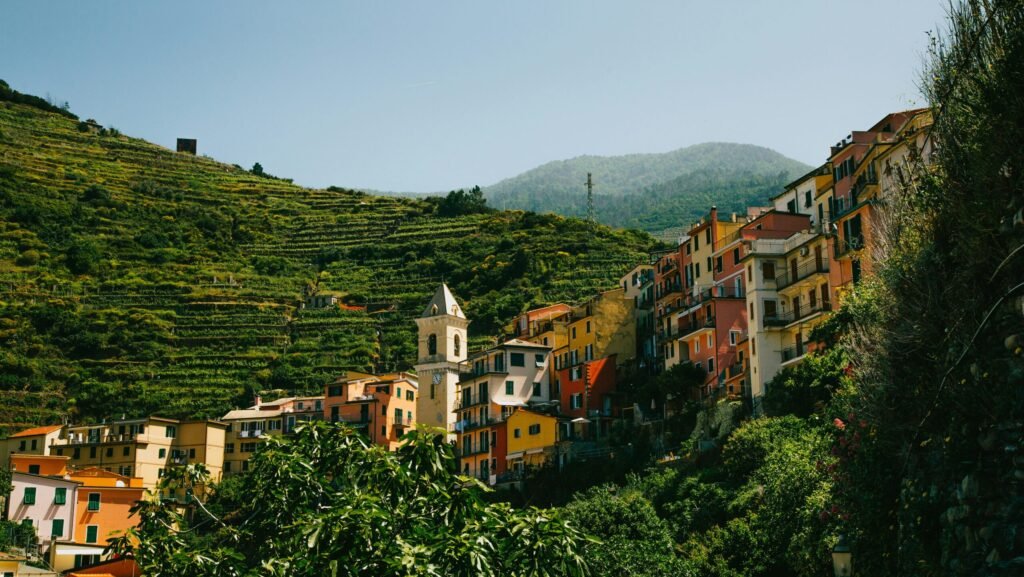
You’ll find them in old town centers, hill villages, and lake districts, where charm outweighs convenience.
Typical features:
- stone walls up to one meter thick,
- vaulted or beam ceilings,
- decorative frescoes and staircases,
- panoramic views and authentic atmosphere.
However, they often fall under soprintendenza (heritage protection), limiting renovations. Their energy efficiency rarely exceeds class G, and major restoration is common.
These are properties for collectors, aesthetes, and heritage lovers — not for quick returns, but for passion.
Our Approach: Matching the Property to the Person
Each property type — old, modern, or mid-century — can be the right choice if it fits your goals.
- The old stock offers space, character, and long-term value.
- New developments bring comfort, but not always quality.
- Mid-century homes are the most common, often the best balance for realistic budgets.
Our role as buyer’s agents is to help you find not just a property, but a living space that fits your life, with clear documentation, no hidden risks, and real potential.
Find your home in Italy with confidence — contact us for your personalized property strategy.
© ITALTY — Your Italian Realty
We write about buying real estate in Italy with maximum benefit for you, without risks and stress.