Why Some Italian Cities Have Problematic Neighborhoods
When choosing where to buy property in Italy, clients often ask why certain cities have such stark contrasts between neighborhoods. Turin and Udine are two perfect case studies that highlight how history and urban development still shape today’s real estate market.
Turin: Industrial Growth and Its Legacy
Turin was once part of Italy’s “industrial triangle” with Milan and Genoa. In the 1960s–80s, waves of southern Italians migrated north to work in factories — especially FIAT, which symbolized the city’s economic boom.
To house this influx, large amounts of cheap, quickly built housing were constructed. There was little zoning or long-term planning. Districts like Mirafiori Sud, Barriera di Milano, Aurora, and Lingotto were never designed as prestigious neighborhoods. Over time, many of these areas declined.
As workers retired and returned to the south, the housing stock became less desirable and was often rented out to low-income tenants. This created pockets of disadvantage that still exist today — something buyers need to consider if purchasing for personal use rather than investment.
Udine: Stability and Balance
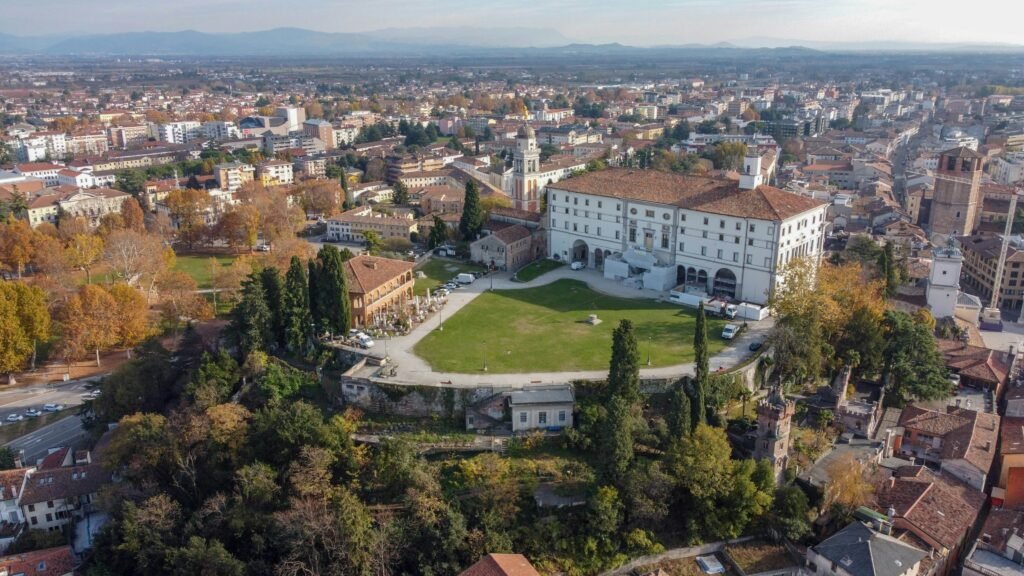
Udine, in contrast, tells a different story. Located in a wealthy autonomous region of northeast Italy, it has a socially balanced population and financially stable municipality. Unlike Turin, there’s no history of massive, low-cost worker housing projects.
The result? Udine has very few “problem areas.” Apart from a couple of streets near the train station, the city maintains consistent quality across its districts. Infrastructure is well-maintained, and there’s no dramatic contrast between neighborhoods.
Key Takeaway for Buyers
The history of a city affects its real estate market for decades. In Turin, industrialization created entire districts that never gained prestige and remain challenging today. In Udine, a more stable growth model avoided these problems.
For buyers, this means:
- Don’t just compare prices per square meter.
- Always consider the social fabric, history, and rental potential of a city.
- The same price can mean very different living conditions and investment outcomes.
Every Italian city has its own character and legacy. The key is to find the one that fits your lifestyle and goals.
Ready to explore which Italian city is right for you? Contact us today to start planning your property search.
© ITALTY — Your Italian Realty
We write about buying real estate in Italy with maximum benefit for you, without risks and stress.